Woosh: Consumer Crypto App
Built multiple iterations to make crypto as easy as Venmo, but product-market fit stalled due to on-ramping friction & weak use case.
Let’s see what we can hack together
My first in‑person hackathon.
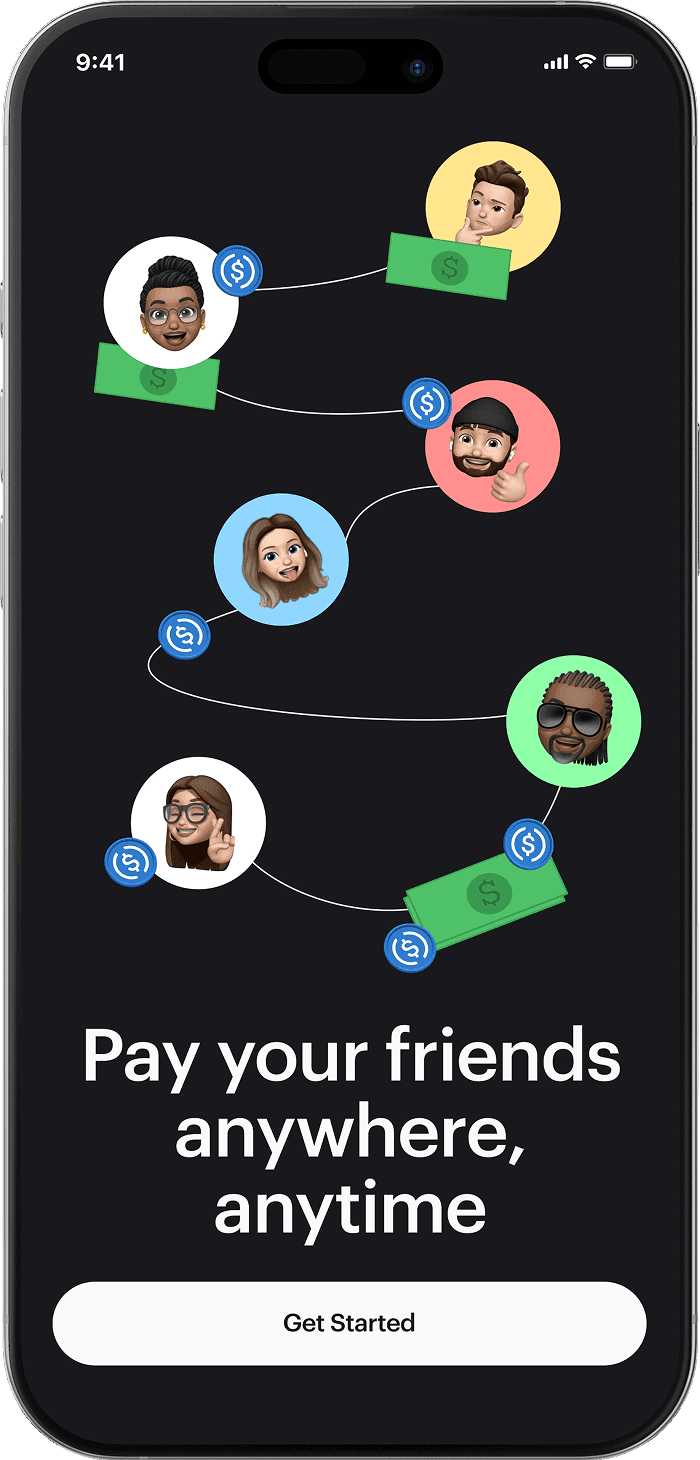
We built a jargon-free, crypto cash app welcoming the next billion Web2 users of the world.
We ended up being finalists! That win was the first moment I thought: maybe this is more than just a side project.
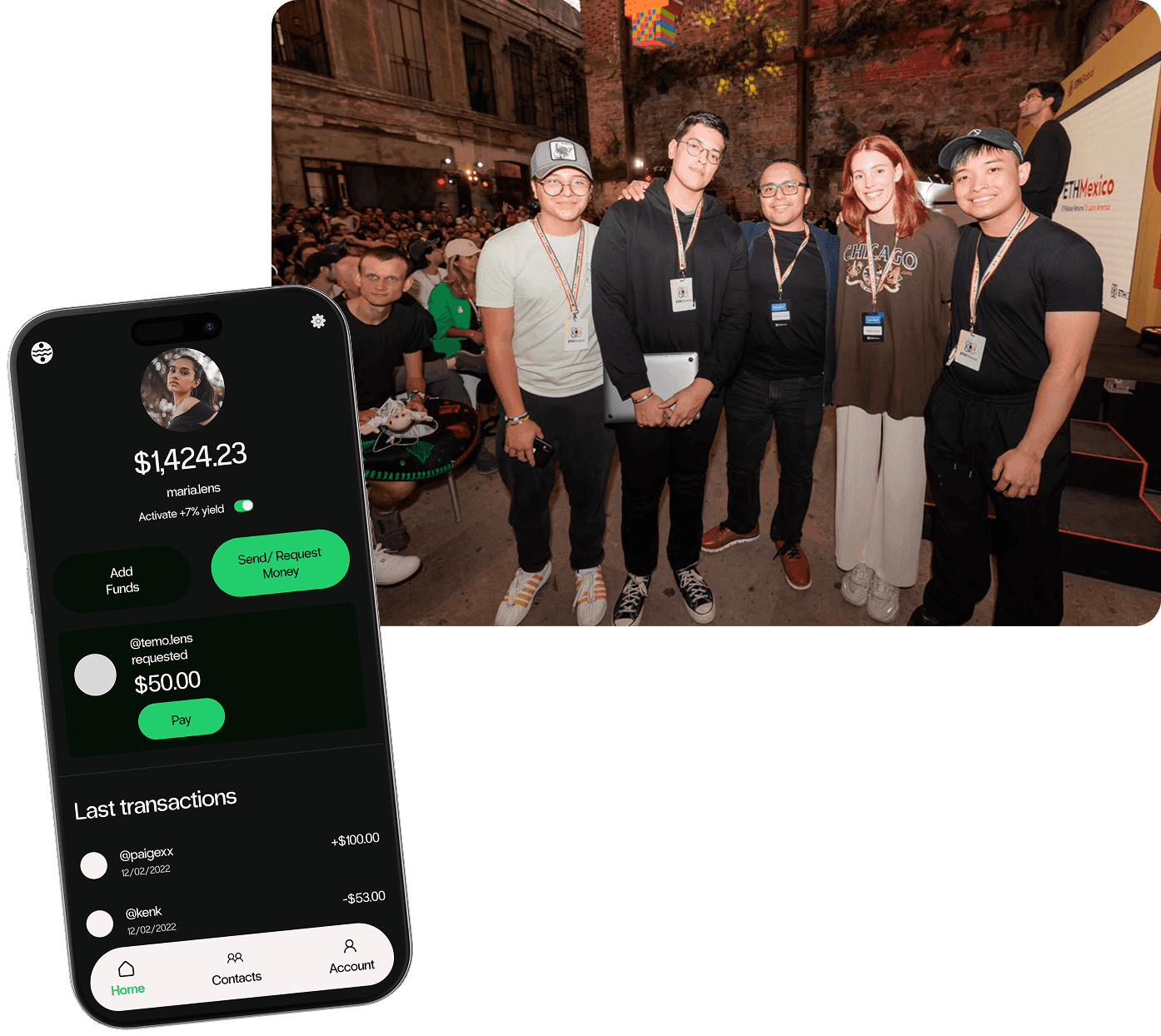
The Complex Post Hackathon Concept
A Venmo-like crypto app for Mexico could onboard new users by letting them pay with phone numbers.
Built: We went straight into designing polished flows + drafting smart contracts. Instead of validating with a stripped‑down MVP.
Outcome: Never released publicly. We got stuck building instead of testing. Ironically, even if we had launched, we would’ve hit a bigger problem: no clear user who needed this badly enough to push through crypto’s onboarding friction.
Lesson: Start by identifying who needs this most and what core problem you’re solving for them. If we’d focused on something like international payments (where the pain is 10x greater), people might have forgiven rough edges. But when you’re only solving convenience, users expect perfection. For startups, solving a deep pain point beats chasing a nice-to-have.
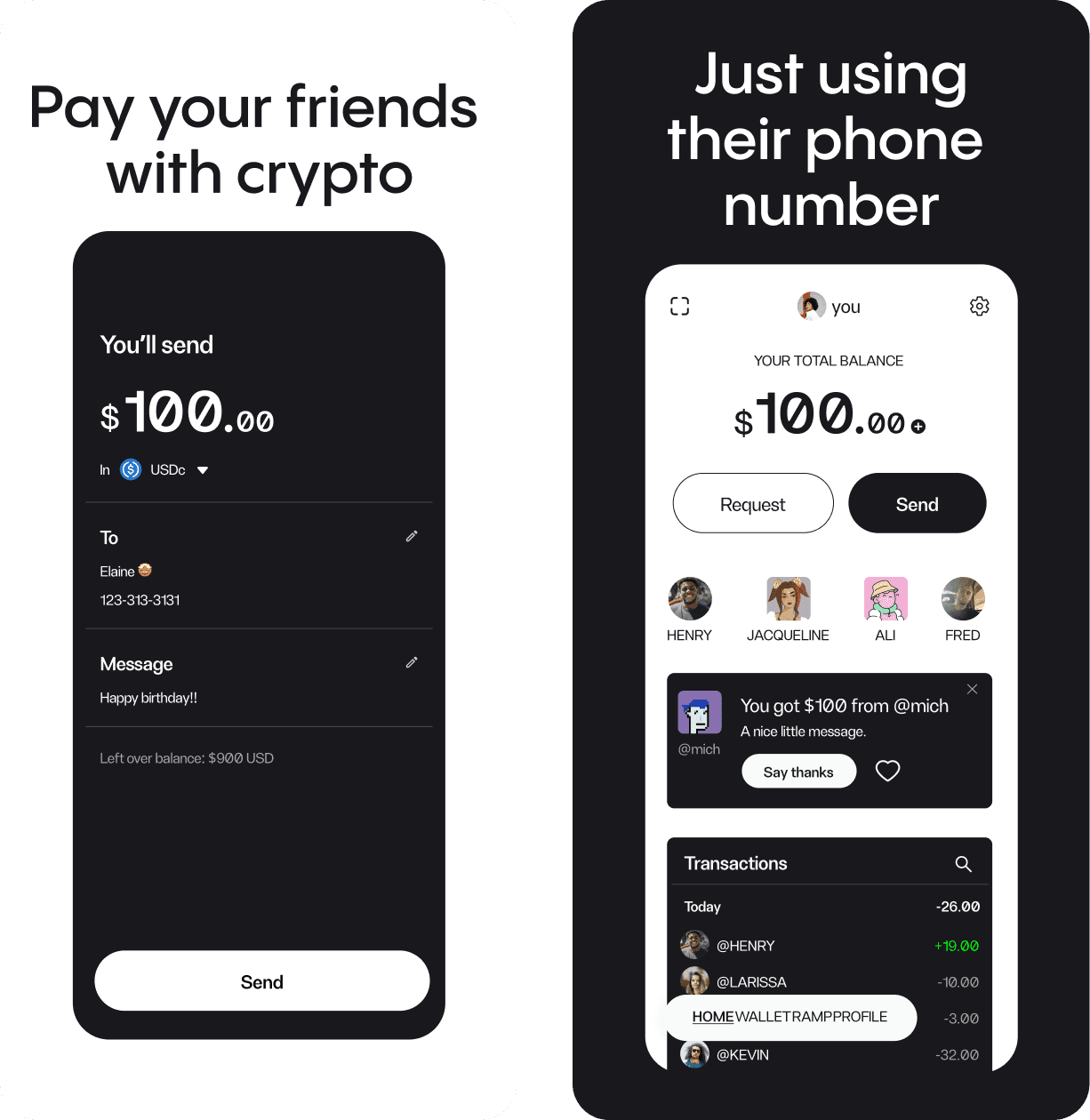
We Thought Simplicity Was the Unlock
We realized we were building something too complex.
Instead of polished flows and over-engineered contracts, the goal became to strip Woosh down to something simple: let people send money to anyone, even if the recipient didn’t have a wallet.
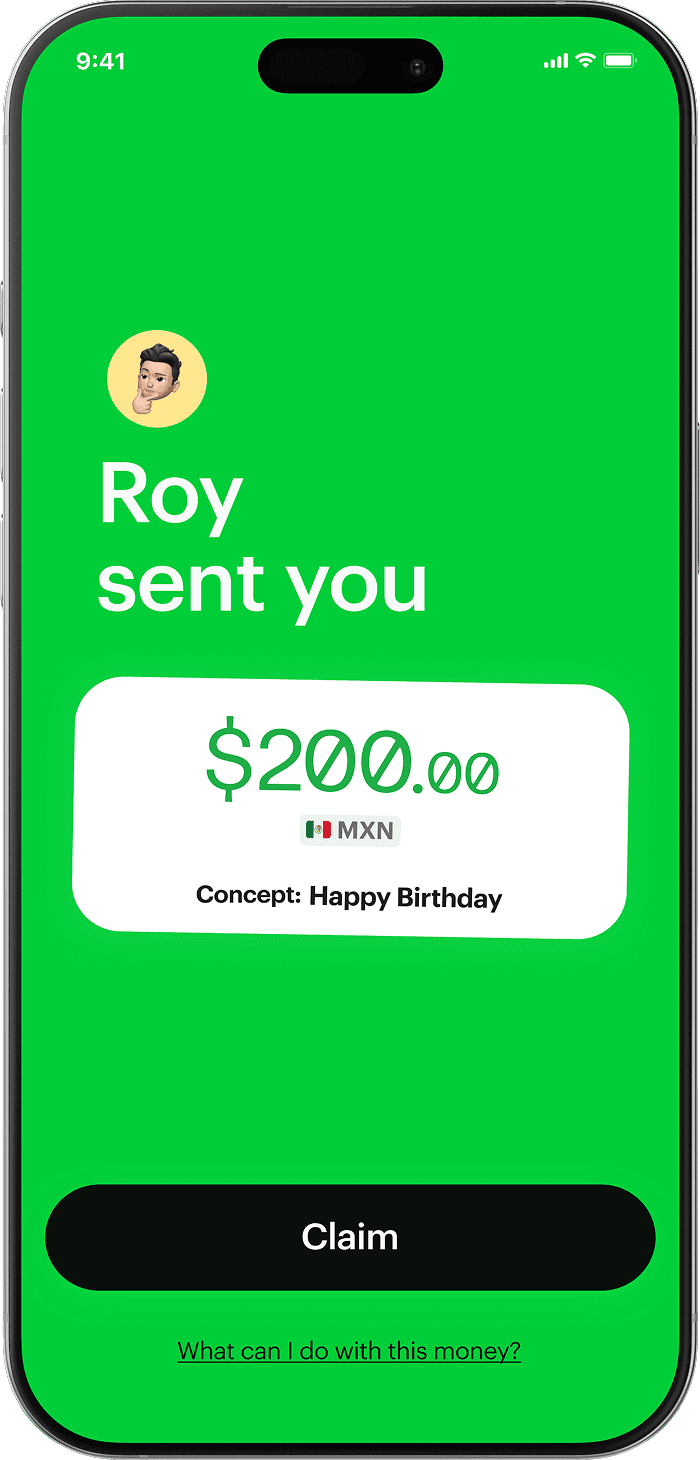
Built: We created smart contracts and front-end flows so crypto users could send crypto to non‑crypto users, lowering the barrier for recipients to join.
Outcome: Released … and no one used it. The problem wasn’t friction; it was that no one had a strong enough reason to use Woosh in the first place. We tried to engineer growth before we had a real base of users who needed it. Around this time, my co-founder stepped away, so I continued solo.
Lesson: Product complexity wasn’t the real blocker. The root issue was demand: no one had a problem painful enough to justify switching. Build something simple, yes, but it has to solve the right pain. Don’t confuse simplification with validation.
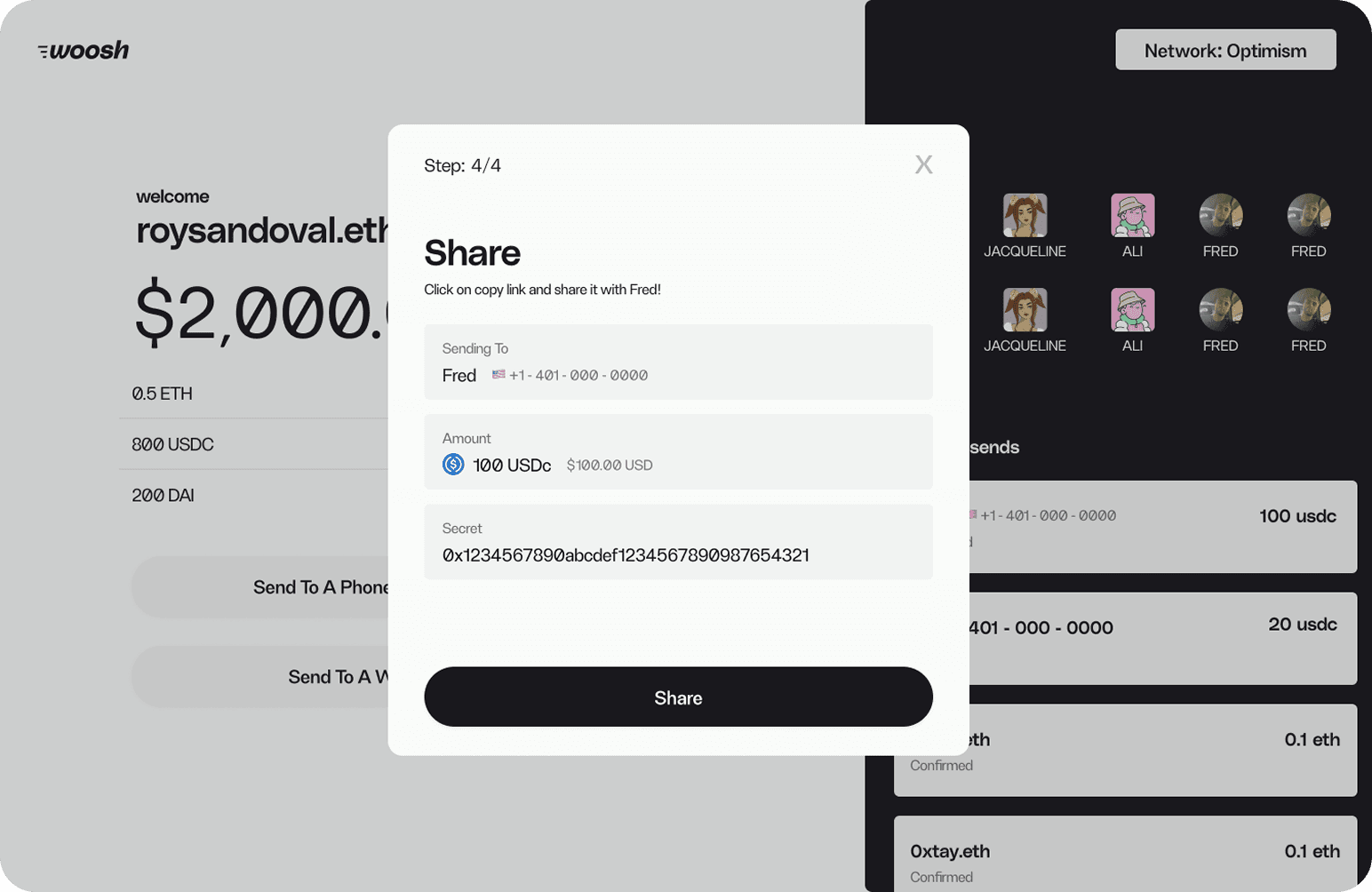
Targeting Web3 Natives
Maybe Woosh was too ambitious about onboarding new users into crypto. What if we doubled down on people already comfortable in Web3? They already had wallets, so the product could be positioned as a way for Web3 users to easily send money to their non-Web3 friends.
Built: Reframed the positioning and pitched Woosh as a bridge product for crypto-natives.
Outcome: Nobody cared. Even inside Web3 circles, sending money to friends wasn’t a strong enough use case. Just because people had wallets didn’t mean they wanted to use them for casual P2P payments.
Lesson: Changing the target audience doesn’t matter if you’re not solving a real pain. Product–market fit isn’t about who has the tools, it’s about who has the problem.
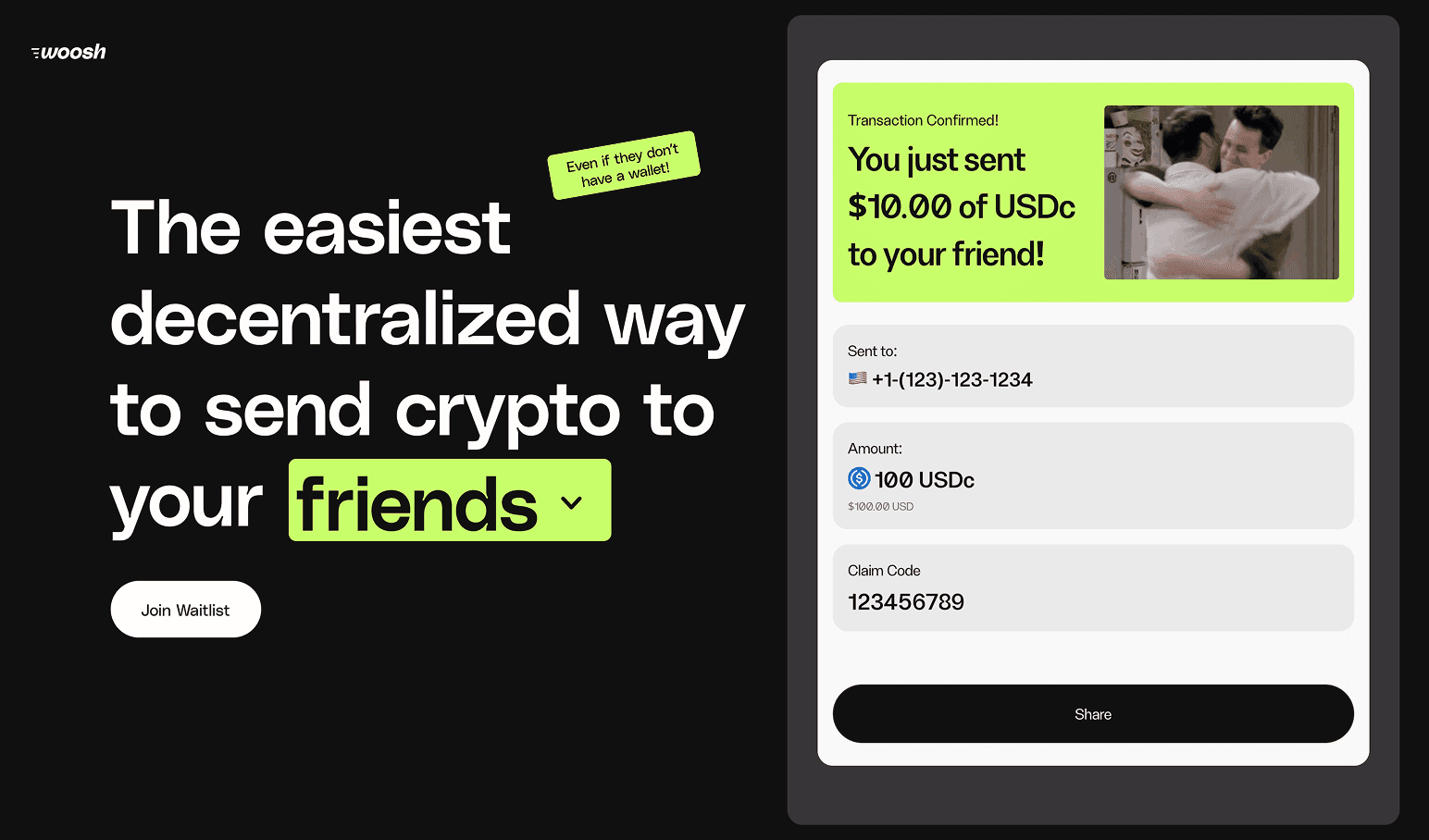
It’s dangerous to mistake interest for traction
I was surrounded by overwhelming consensus from advisors, investors, podcasts, and founder peers all saying things like:
“We want to onboard the next billion“
“P2P payments in crypto are a killer use case“
“Latin America’s unbanked are the exact market to go after”
At the time, it didn’t feel like hype, it felt like clarity.
Looking back, one sign should have been obvious: while some investors were eager to talk about Woosh, none were actually willing to fund it. The closest I got was when an VC encouraged me, saying the idea was great and I should keep building, but they only funded Series A or later, not pre-seed.
Just hearing that kept me going. It reinforced the feeling that I must have been on the right track.
Lesson: Industry consensus isn’t user demand. And encouragement without commitment isn’t validation. The louder the echo chamber, the more carefully you need to pressure‑test it against real people’s pain.
I wasn’t blind to the principle “solve a real problem first.” I knew it. But this experience taught me how easy it is to mistake industry talk (advice, hype, investor praise) for traction, and how important it is to separate noise from signals that matter funding, adoption, repeat usage.
Pivoting to Mobile + Consumer Market
Coming out of that realization, I stopped basing decisions on consensus narratives and started looking at cultural habits I could actually observe day‑to‑day. One thing was obvious: in Mexico, Gen Z lives on mobile, and payments are already a mobile-first behavior.
If Woosh mirrored Venmo and Cash App for Gen Z in Mexico, it would resonate. The behavior was there — so maybe the form factor was the missing key.
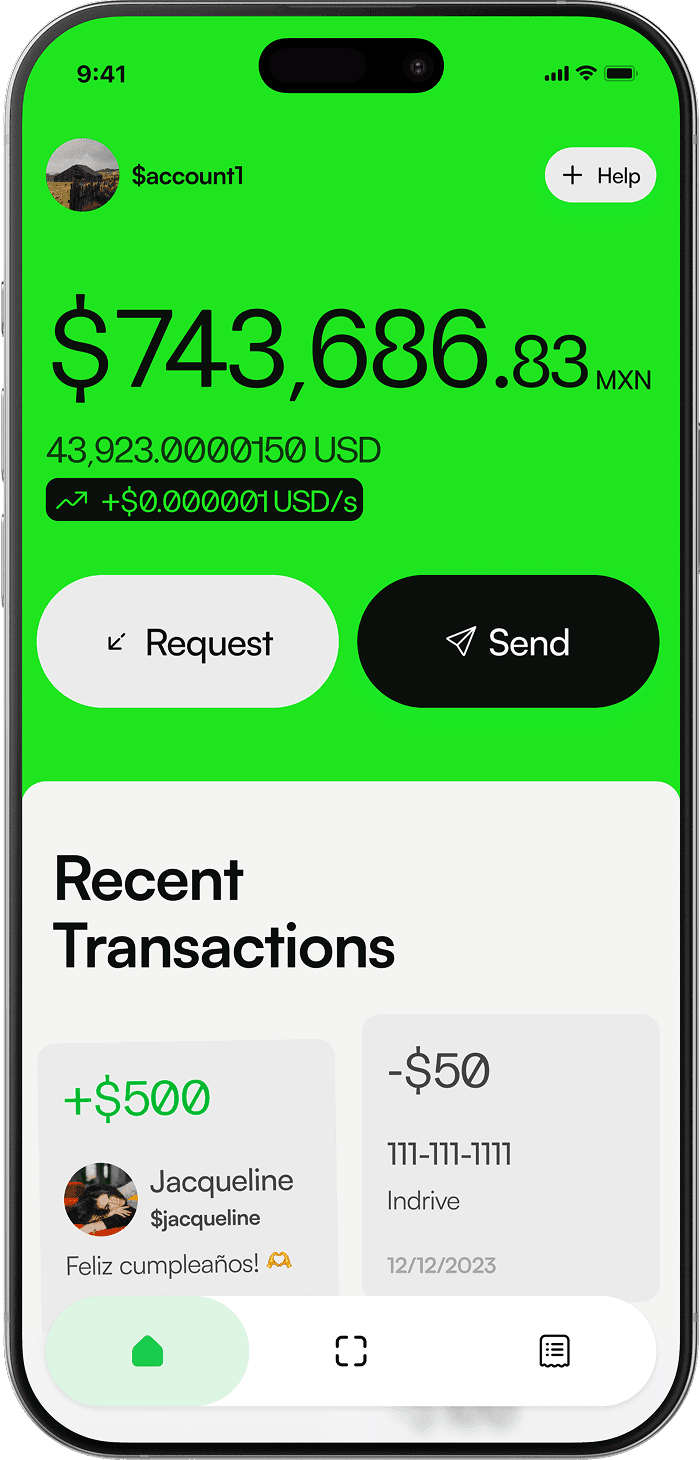
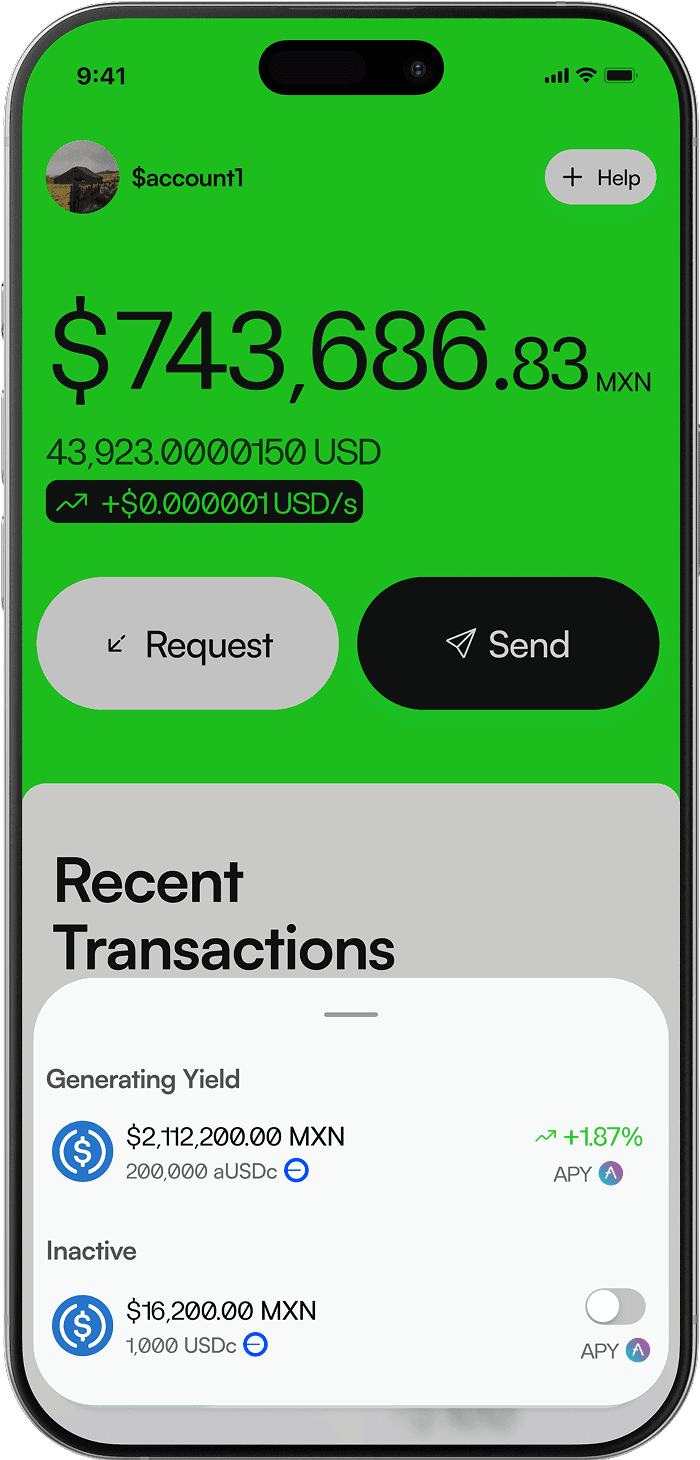
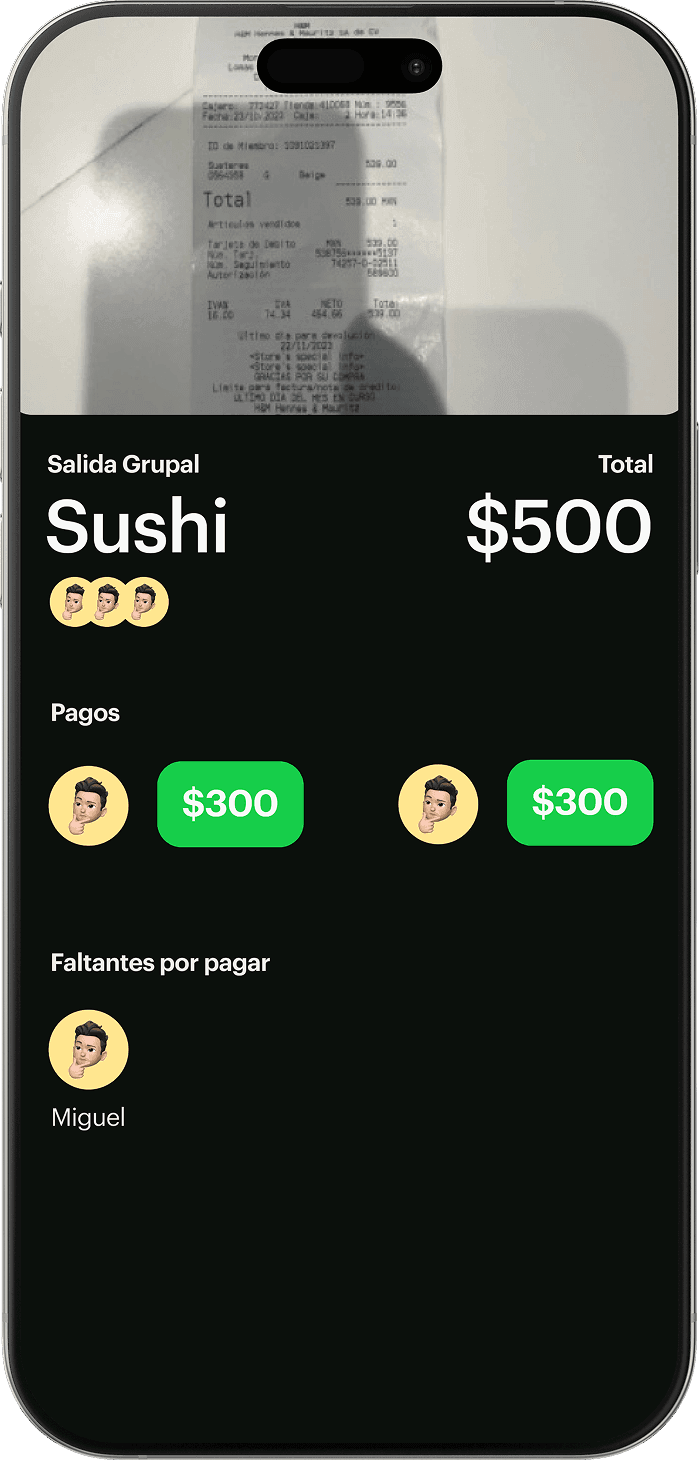
Built: I designed and started building the app version. This was also a market pivot: I abandoned Web3 as the primary audience and instead doubled down on Gen Z Mexicans as the core users.
Outcome: The mobile app looked and felt right, but adoption didn’t change. The problem wasn’t form factor; it remained the lack of a must‑have use case. Woosh still wasn’t solving a problem people urgently needed fixed.
Lesson: Shifting from noise to cultural truth was the right instinct, but it reinforced the deeper principle: platform and positioning can amplify demand, but they cannot create it. Without a burning pain point, even the most logical cultural alignment won’t convert into traction. First nail the pain, then layer on the platform and cultural framing.
University Market Pivot
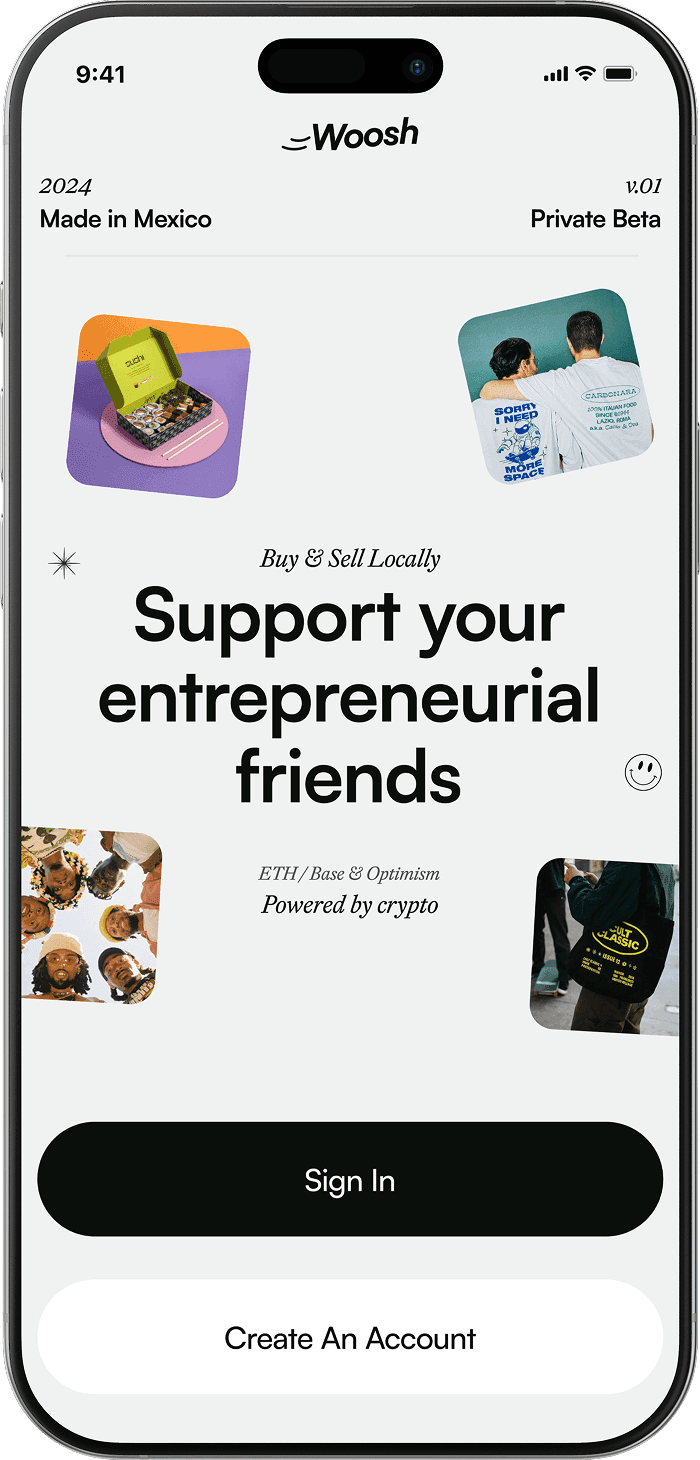
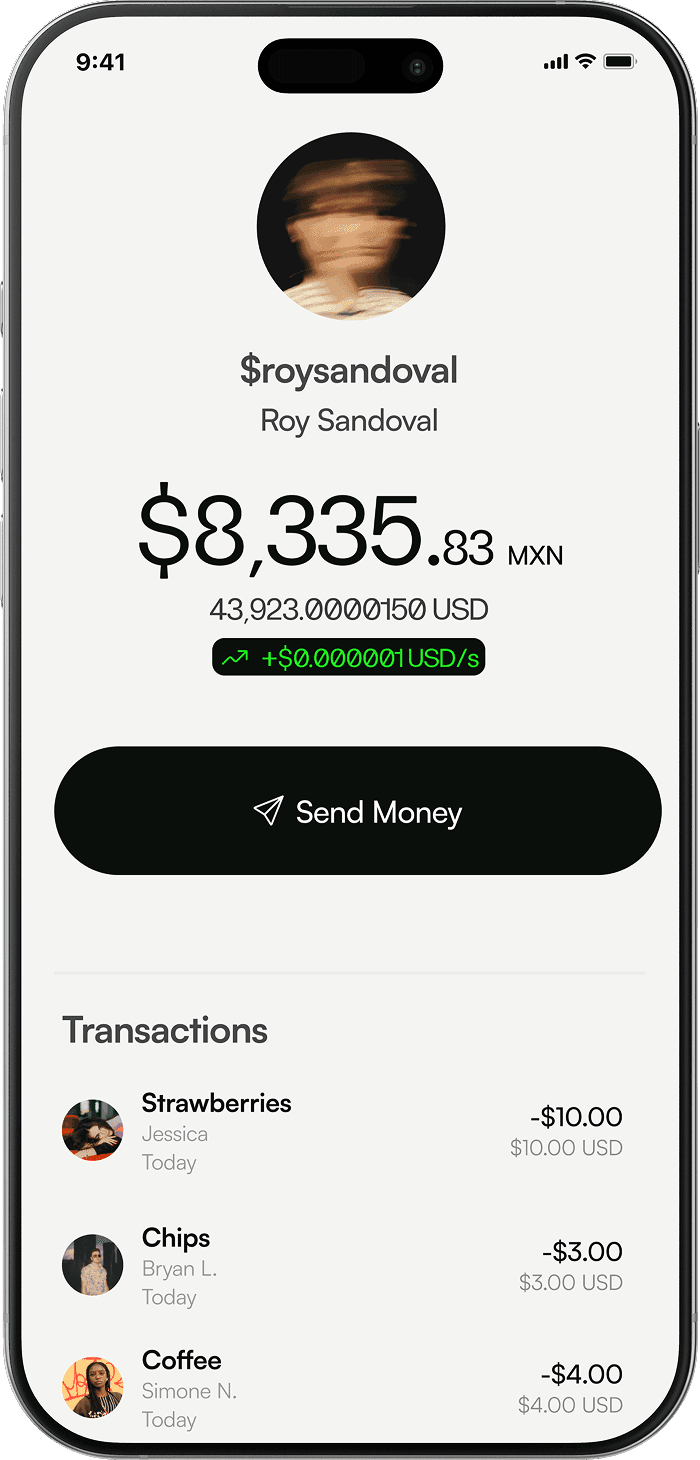
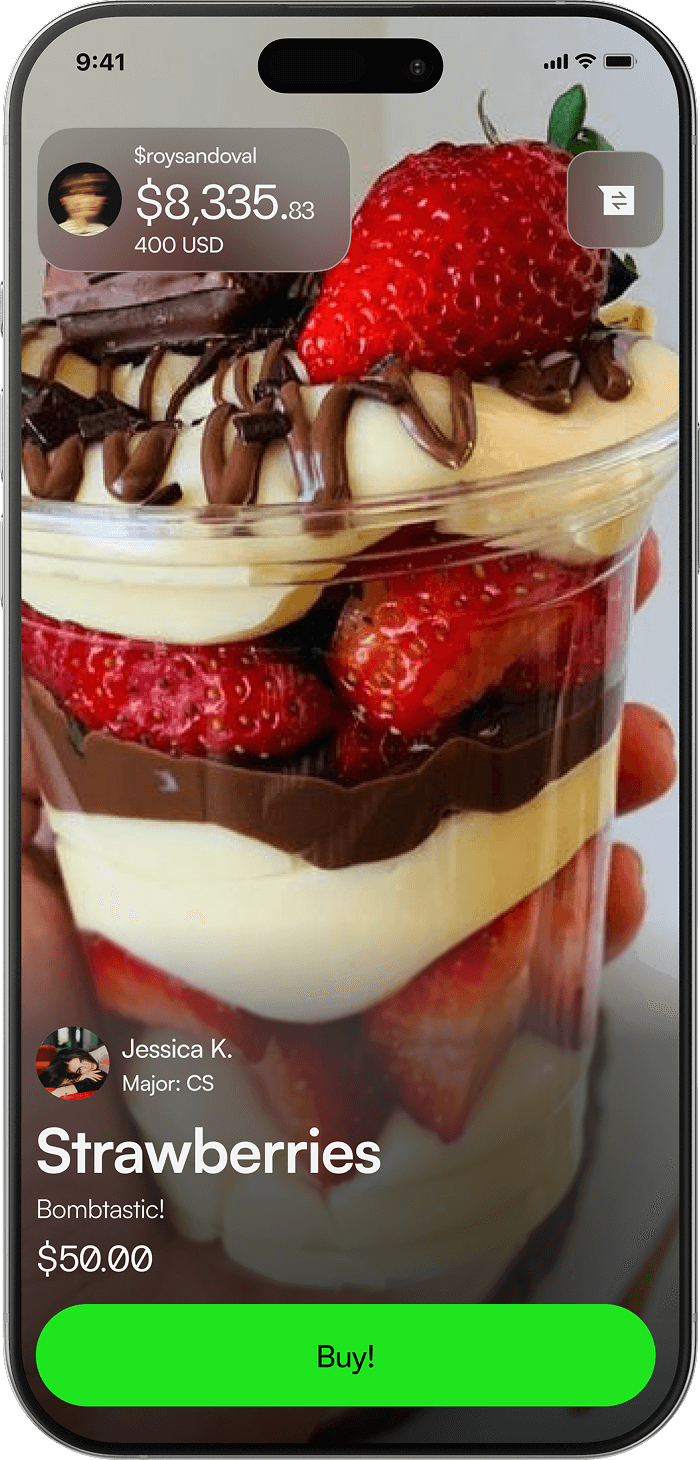
After trying to anchor Woosh to consensus ideas and later to cultural form factors (mobile + Gen Z), I finally started looking at tangible, local behaviors around me. At the university in my city, I noticed a common pattern: students constantly sell things on campus to make extra money: snacks, food, clothes, side hustles to help pay for school.
If Woosh became a student marketplace app running on crypto rails, it could solve a tangible, everyday problem for students while naturally onboarding them into crypto.
Built: I onboarded about ten student sellers directly, installing Woosh on their phones, and kickstarted demand by giving buyers credits. I even paid sellers in cash behind the scenes to keep things moving. For the first time, I saw Woosh used in real transactions, inside a real community.
Outcome: This was the closest Woosh came to actual traction. But behind the scenes, I was running out of energy and stability. By then I’d been in the crypto trenches for 18 months, burned savings, lost income after layoffs (I’d already told my employer I was starting a company), survived on freelance, and ultimately lost the rest of my funds when leveraged positions on AAVE liquidated as the market crashed. I was tired. When I went to the US, I finally allowed myself to let go. And when my long‑time love and I finally got together, it was a complete shift of energy. Woosh ended not with a pivot, but with me deciding I was done.
Lesson: Building without solving a core problem will grind you down. Woosh taught me how critical it is to tie products to real cultural behaviors and also how brutal it is to push without income, traction, or stability. The biggest lesson wasn’t technical at all: knowing when to stop is part of being a founder.
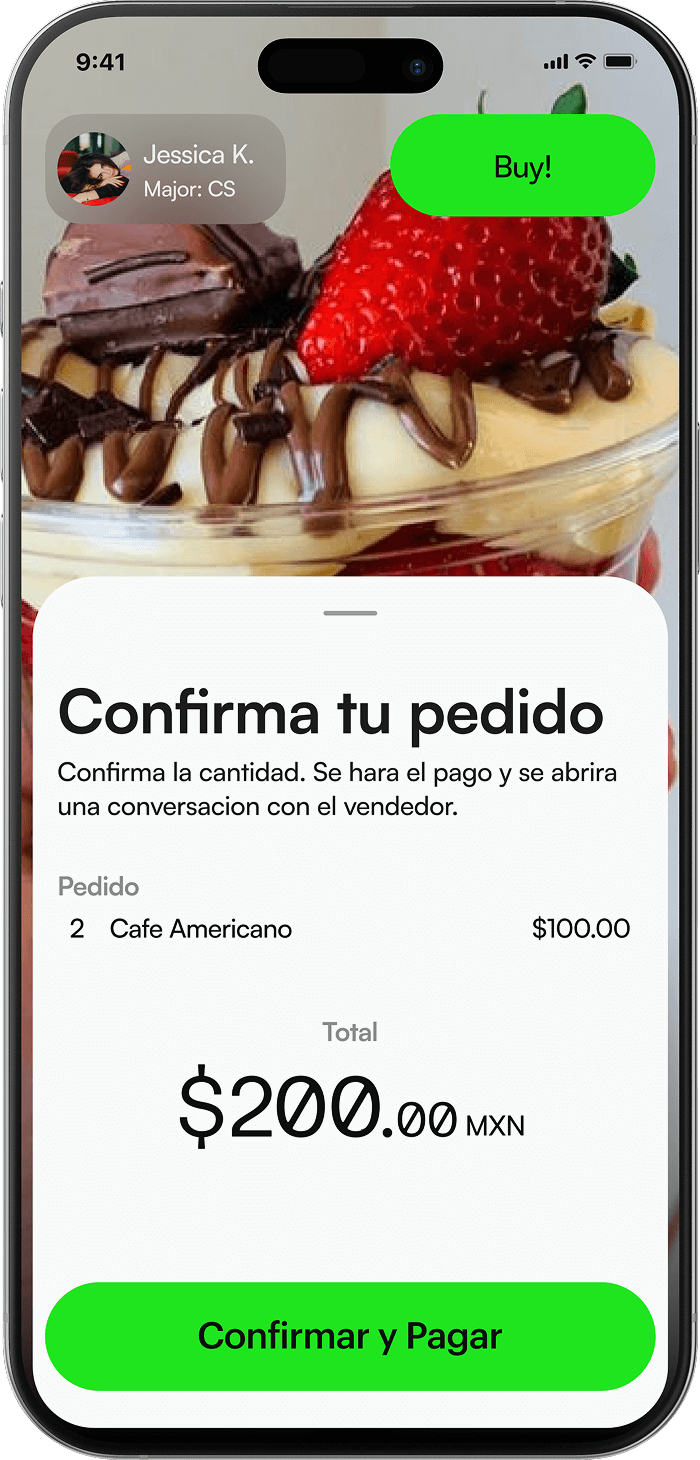
What if I turn it into dating app?
Right before my trip to the US, I had one last idea for Woosh. If the student marketplace was about sparking tiny peer economies, what if we leaned into that energy in a different way: a dating app?
Users could send anonymous gifts to people they liked a small act to spark a conversation.
The mechanic had viral potential. It was playful, tied to human behavior, and could’ve unlocked a new distribution loop.
I never got a chance to execute it. By then, I was exhausted from the crypto grind, financially stretched, and about to leave for the US. That trip ended up being both a personal turning point and the moment I quietly closed the chapter on Woosh.
Sometimes your final idea shows both the best and worst of founder energy: optimism, creativity, and willingness to try anything, paired with the hard truth that execution, timing, and personal stamina matter just as much as the concept itself.
Closing Reflection
Woosh didn’t become the product I hoped it would, but it gave me lessons that will stay with me as a founder, builder, and growth designer:
Don’t pay attention to the industry. Fuck the industry talk.
Industry chatter (hot takes, trends, narratives, expert panels, investor buzz) is noise. It can distract builders from solving real problems.
Fashion isn’t about impressing insiders or chasing runway trends. It’s about the people who actually wear your clothes, the community that gives your work meaning.
Food isn’t about pleasing critics or top chefs. It’s about whether the food tastes good and makes people happy.
Tech isn’t about hype cycles or “next trillion‑dollar markets.” It’s about using technology to solve real, painful problems in human lives.
At the end of the day: ignore the noise, focus on your community, your users, your people.
Whether you’re in fashion, food, or tech, the only thing that matters is direct connection with the people you serve.
Be human :)